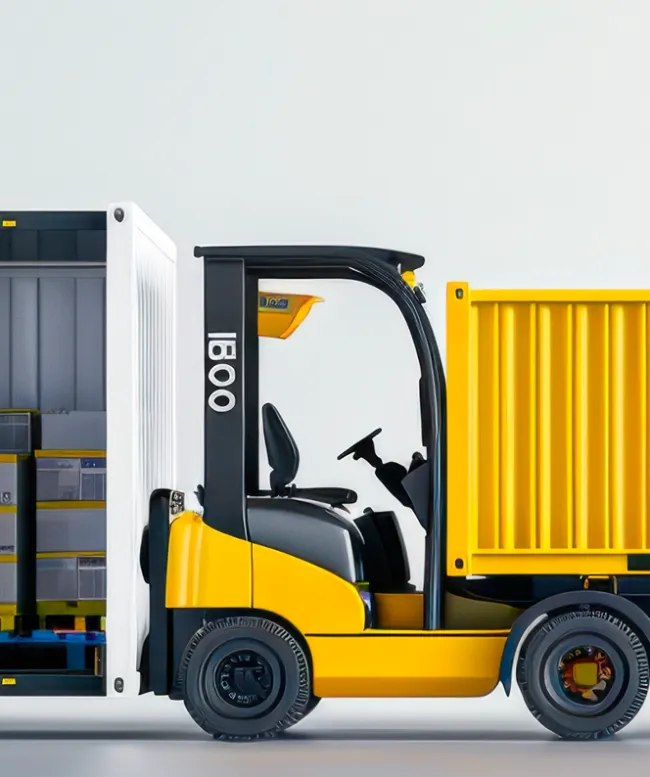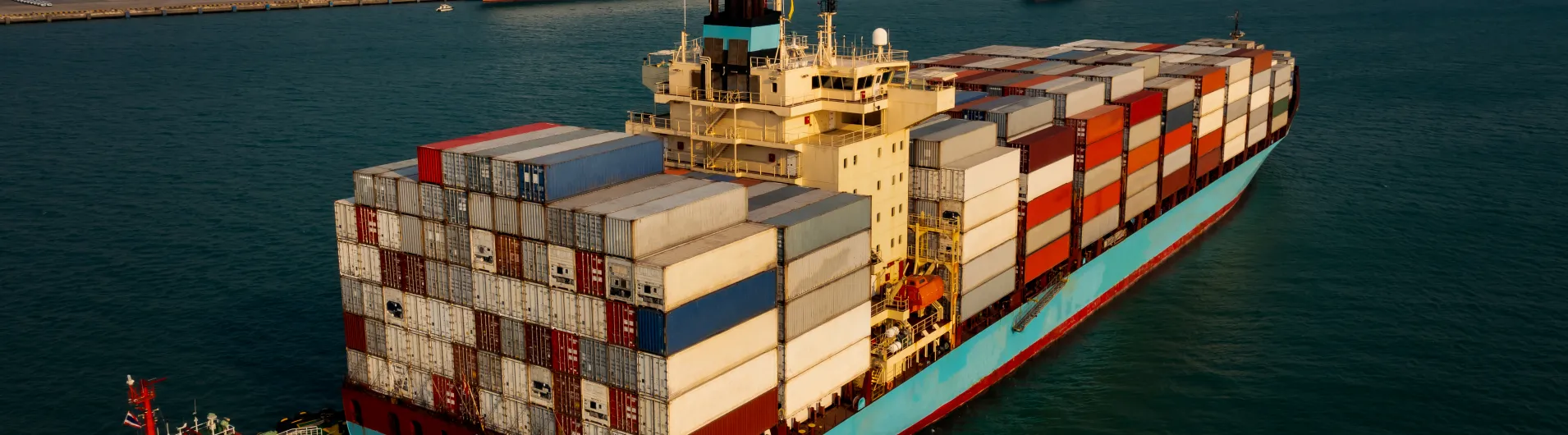
International container cargo transportation via Saint Petersburg is a convenient way to organize import and export through the Baltic Sea, followed by delivery across Russia and CIS countries. This format is usually built as a multimodal scheme: sea transport, terminal handling at the port, and then road or rail delivery to the consignee’s warehouse.
For business, this is especially important when it is necessary to:
- deliver cargo from abroad;
- send export cargo to Europe, Asia, or other regions;
- ensure an uninterrupted supply chain for the enterprise;
- combine the sea leg with door-to-door delivery.
Advantages of the Port of Saint Petersburg
Container transportation via Saint Petersburg is a convenient and stable logistics route for import and export through the Baltic Sea with further delivery across Russia and the CIS. The Greater Port of Saint Petersburg remains the region’s main container hub: in 2024, it handled 1.37 million TEU and ranked second among container ports in the Baltic basin.
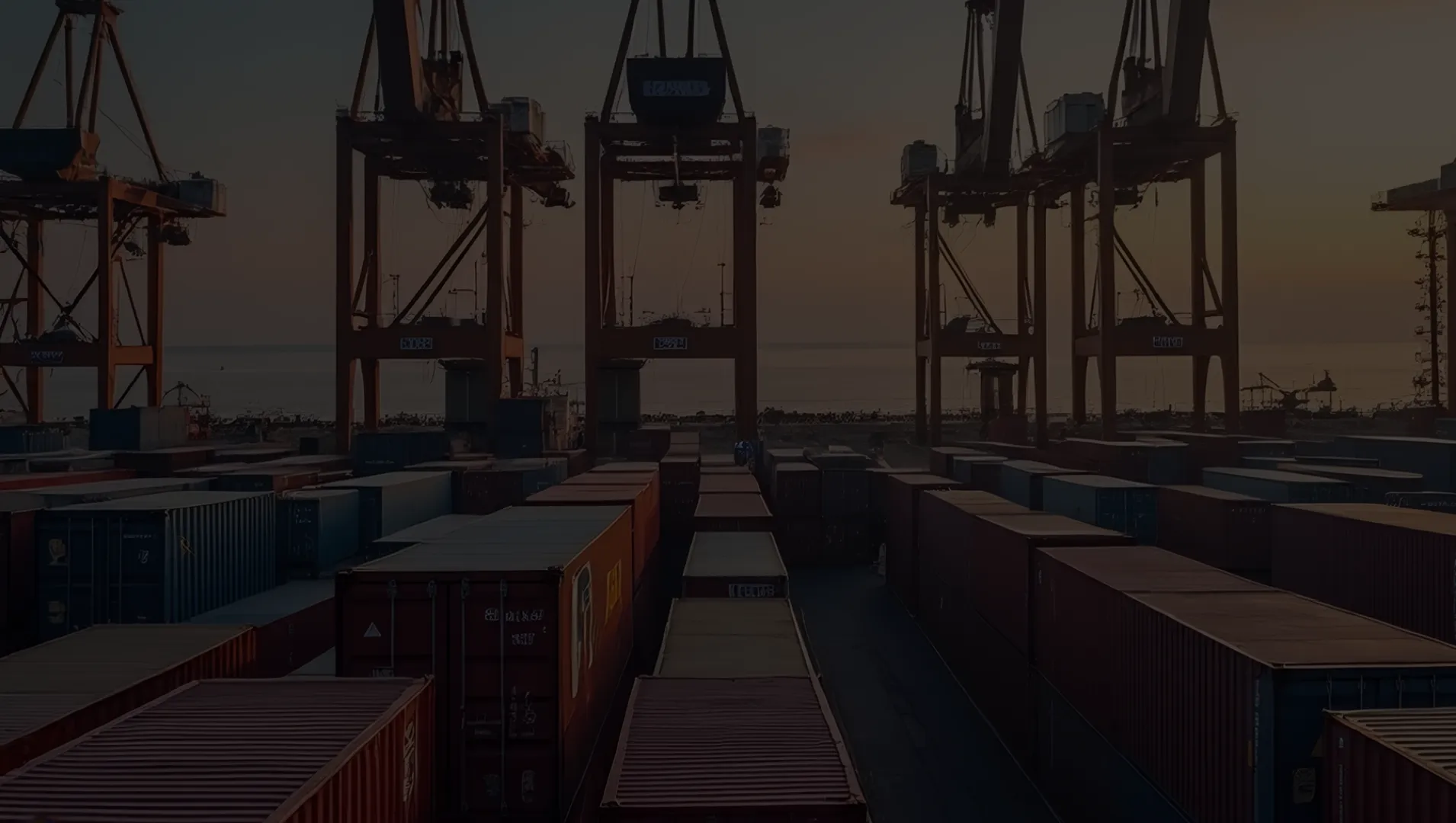
The port infrastructure includes major terminals such as FCT, PLP, CTSP and other sites of the Greater Port of Saint Petersburg, where modern transshipment equipment, automated control, and its own railway infrastructure are used.
The advantages of this route are:
- Fast container handling thanks to modern equipment and well-established terminal processes;
- Round-the-clock operations and high throughput of the port system;
- Convenient connection with rail and road transport for delivery across Russia.
This option is especially suitable for cargo from China, Southeast Asia, India, and other directions when it is important to combine sea delivery with fast inland delivery to the consignee’s warehouse.
Container types and cargo
Cargo transportation via Saint Petersburg supports standard 20' and 40' DC containers, 40' HC high-cube containers, refrigerated REEFER containers, and Flat Rack platforms for oversized cargo, among many others. This range of packaging makes it possible to transport electronics, food products, equipment, oversized cargo, and some dangerous goods, if they are prepared in accordance with IMDG requirements and are suitable for the selected container type.
| Container type | Dimensions (m) | Purpose | Cargo examples |
|---|---|---|---|
| 20' DC | 6 x 2,4 x 2,6 | Universal | Clothing, spare parts |
| 40' HC | 12 x 2,4 x 2,9 | Bulky | Furniture, appliances, equipment |
| 40' REEFER | 12 x 2,4 x 2,6 | Cold chain | Fish, fruit |
International sea delivery via St. Petersburg is ideal for the Asia–Europe route for all types of cargo, including temperature‑controlled shipments.
Stages of international transportation
Transportation via Saint Petersburg starts with a shipment request and route selection.
The process includes five key steps:
- Consultation and calculation: determining the container type and route;
- Loading and securing at the port of departure in compliance with regulations;
- Sea transportation: via the Baltic Sea by feeder services and direct ocean‑line services;
- Customs formalities and port forwarding: clearance in Saint Petersburg with cargo handling in the port and arranging insurance if required;
- Final delivery: by road or rail across Russia.
The full delivery cycle from Asia, for example, takes 45–55 days.
International cargo transportation via Saint Petersburg is the optimal choice for businesses located in the northern, north‑western and central regions of Russia.
10 years of experience with major shipping lines ensures uninterrupted cargo transportation for our clients.

Our services


Countries we work with

China

Vietnam
Turkey

Egypt

Israel

Syria

UAE

Saudi Arabia

India

Argentina

Pakistan

Brazil

Why customers choose BSF

Exclusive ocean freight rates
Thanks to our long-standing and successful track record in export shipments, we have earned the loyalty of key ocean carriers. This enables our clients to access unique freight rates for export and import flows, saving up to 20–30% compared to base tariffs.

Focus on complex cargo
We work with bulk cargo, full vessel lots, sawn timber, metal ingots, coils, big bags, oversized cargo and containerized shipments. Cargo accumulation and dispatch are handled smoothly, with full processing in Novorossiysk.

Unique stuffing and transshipment solutions
Our core know‑how lies in direct contracts with Novorossiysk ports covering re‑stuffing and transshipment of various cargo types. This ensures fast, safe and cost‑efficient handling for virtually any cargo.

Turnkey end‑to‑end service
From container delivery and removal to customs formalities and documentation, including interaction with FGBU “TsOKZ”, FGBU “VCR”, certification and permits – all processes are managed by a single provider. One contractor means fewer complications for your business.

Expertise in key industries
We have extensive experience working with the agro‑industrial sector, chemical industry, wood processing, mining and metallurgy. Grain logistics in vessel holds is one of our core specializations.

Extensive agents’ network
We maintain close working relationships with shipowners and operators and rely on a global network of agents. Our operations cover the ports of Novorossiysk, Saint Petersburg, Rostov‑on‑Don, Azov, Yeysk, Kavkaz, Astrakhan, Olya, Arkhangelsk and Aktau, with partner companies in Turkey, Jordan and the UAE.
Do you have any questions?
Fill out a short form and our specialists will contact you and answer all your questions.