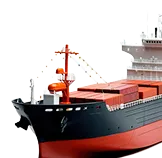
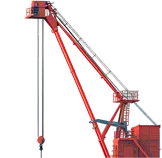
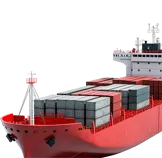
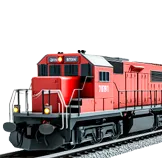
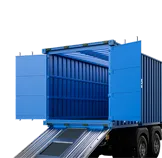
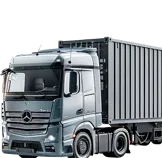
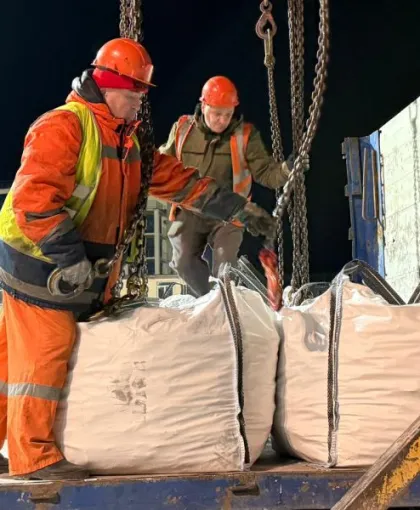
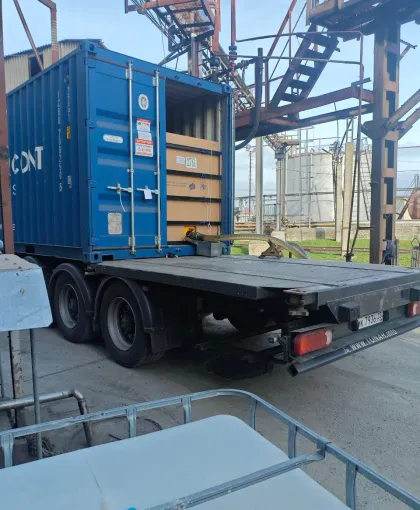
Cargo transshipment in the ports of Rostov-on-Don, Azov, and Yeysk is a comprehensive set of operations for reloading goods from river and sea vessels onto rail and road transport or into warehouses, ensuring the smooth operation of multimodal logistics chains. In 2025, cargo turnover at the port of Rostov-on-Don exceeded 8 million tons, while the total transshipment volume of the seaports of the Rostov region (Rostov, Azov, Taganrog, and others) amounted to approximately 24.1 million tons; the port of Azov alone accounted for over 6 million tons, confirming the significance of the Azov-Black Sea direction for dry and bulk cargo. The Don River delta region, with its deep-water channels and developed port infrastructure, remains a key hub for the export of grain, coal, and other bulk cargo via the Azov and Black Seas.
BSF provides terminal transshipment services at Russian ports, including the Don and Azov harbors, taking responsibility for organizing reloading, liaising with stevedores, document processing, and coordination with land transport. This helps exporters and importers reduce risks, shorten vessel turnaround times, and accelerate cargo flow throughout the logistics chain.
Features of Terminal Transshipment
Terminal transshipment in the Azov region relies on well-developed port infrastructure and high throughput capacity. The facilities of the Port of Rostov are designed to handle approximately 16–18 million tons of cargo per year, with actual turnover in recent years reaching many millions of tons, including a significant share of exports. The ports of Azov and Taganrog specialize in transshipment of grain, metals, coal, fertilizers, and construction materials, collectively processing millions of tons of bulk cargo annually.
When organizing transshipment, the specific characteristics of the Don basin and the Sea of Azov are taken into account: seasonal navigation with draft restrictions, no need for constant icebreaker escort, and proximity to the M‑4 federal highway and major railway hubs, which simplifies cargo haulage inland.
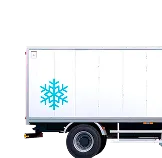
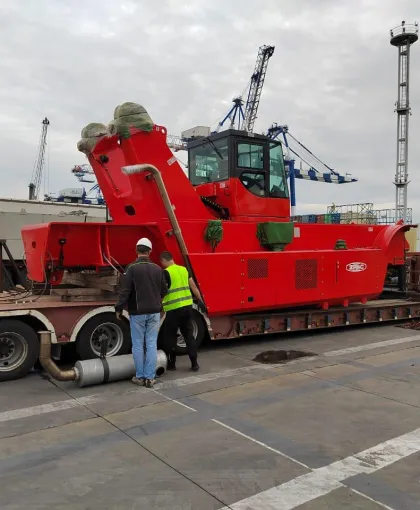
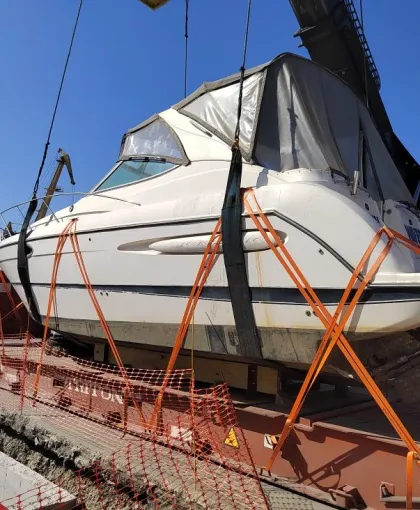
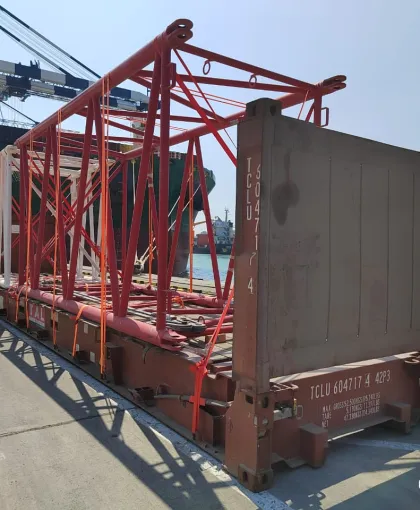
BSF specializes in handling complex cargo categories — dangerous goods, refrigerated cargo, and project cargo — where compliance with phytosanitary, quarantine, and other control procedures is essential, along with precise planning of loading and haulage windows.