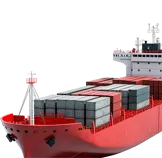
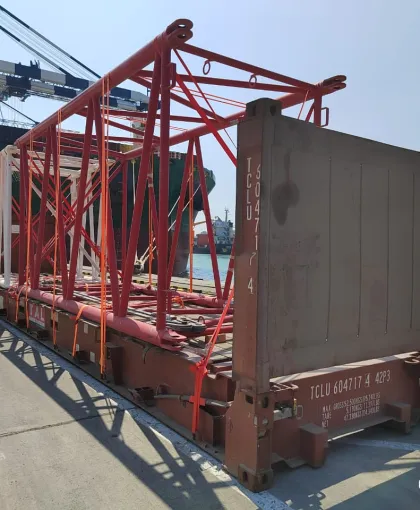
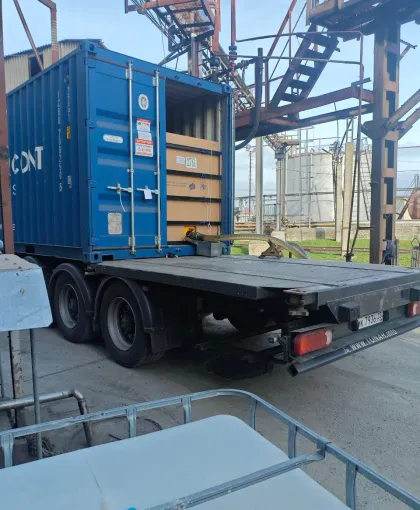
Cargo transshipment at the Port of Saint Petersburg

Cargo transshipment at the Port of Saint Petersburg

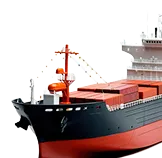
  • Bulk shipping refers to the transportation of dry bulk, liquid bulk and ro‑ro cargo via Sankt-Peterburg.
  • It is primarily geared towards high‑volume consignments routed through Baltica.

BSF

offers reliable terminal cargo handling services at Russian seaports, minimizing risks and transit time for both exporters and importers.

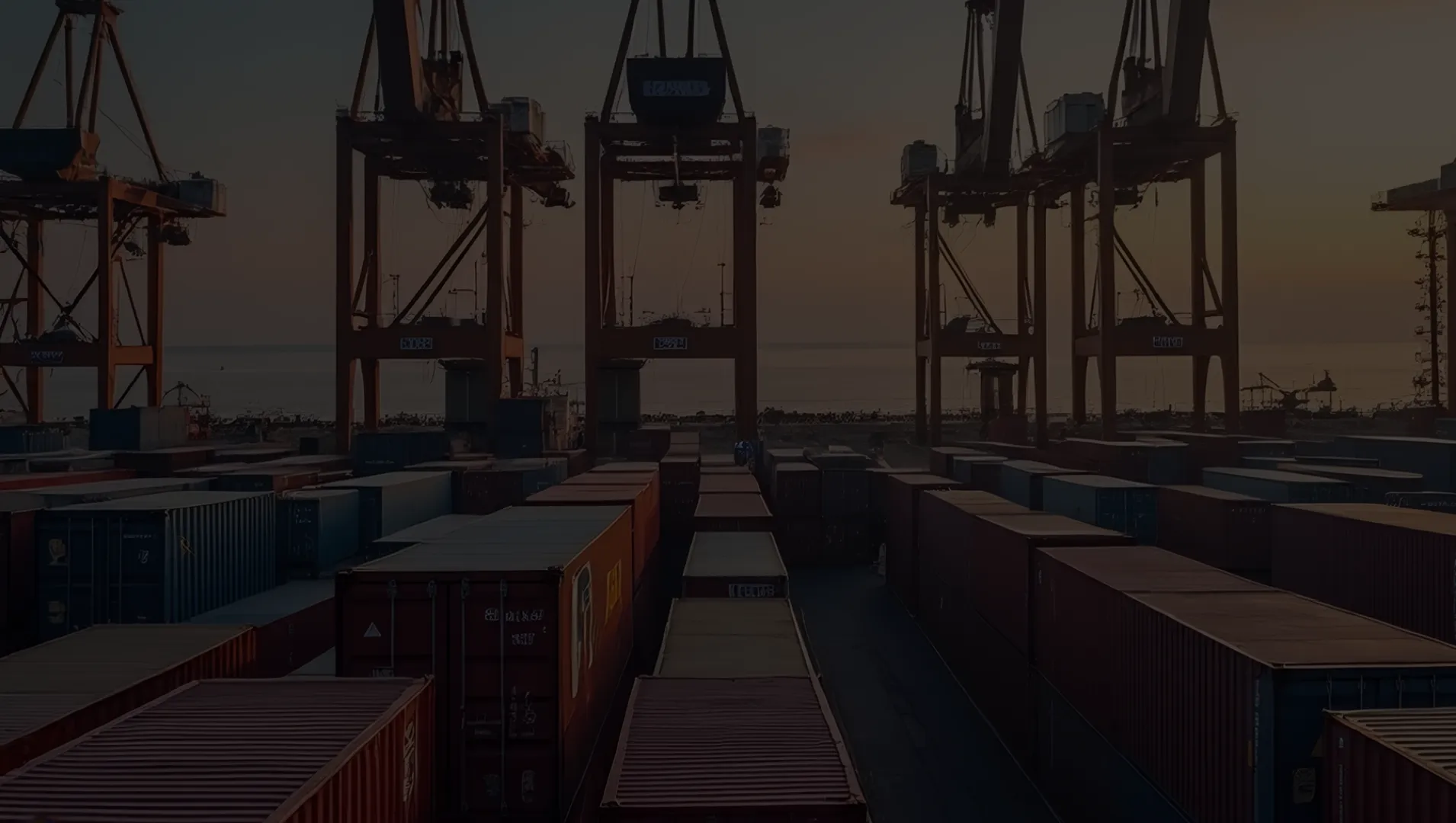
Cargo transshipment in the port of Saint Petersburg is a set of operations for reloading goods from sea-going vessels (bulk carriers, container ships) onto rail and road transport or into warehouses, enabling their seamless integration into multimodal supply chains. In 2025, the Greater Port of Saint Petersburg handled 54.6 million tons of cargo, increasing throughput by approximately 3% compared to 2024, remaining one of the key players in the Northwest against the backdrop of total dry cargo transshipment in Baltic basin ports of 126.8 million tons. The port is located in the Neva Bay of the Gulf of Finland and features an extensive berthing front and modern infrastructure, allowing it to efficiently handle a range of general, bulk, and container cargo.

BSF offers terminal transshipment services at Russian ports, including Saint Petersburg, taking responsibility for organizing reloading, documentation, and terminal coordination — minimizing risks of damage, downtime, and schedule disruptions for exporters and importers.


Specifics of terminal cargo handling

The cargo transshipment service at the PKT and PLP terminals in Saint Petersburg provides a full cycle of reloading from sea-going vessels to rail or road transport, as well as to warehouse facilities. We operate under direct contracts with key terminals of the Greater Port of Saint Petersburg, enabling fast handling of container, bulk, and loose cargo at specialized berths.

Operations are carried out in accordance with the Rules for the Provision of Cargo Transshipment Services in a Seaport, approved by the Ministry of Transport of the Russian Federation (Order No. 182), which regulate transshipment technology, cargo acceptance and delivery procedures, and documentation between the terminal operator and the carrier. Thanks to BSF's direct contracts, we ensure transparency in pricing and timelines — a critical advantage when organizing multimodal chains where precise processing windows and seamless coordination across all transport modes are essential.


Advantages of working with BSF

Our company has its own representative office in Saint Petersburg.

By choosing us, you will receive:

Cargo safety guarantee: full cargo insurance, compliance with Russian Ministry of Transport regulations, no losses thanks to advanced handling equipment and skilled operators;

Speed and adaptability: throughput capacity of up to 170 TEU per shift, expedited processing from as little as 1 day;

Cost optimization: competitive rates for handling at Russian ports, a customized price offer based on your cargo type with no hidden fees;

Single-cycle service: from expert assessment and document management to customs clearance and final delivery — all from one reliable provider.

The Port of Saint Petersburg is a leading Baltic Russian seaport for cargo transshipment due to its location near the M‑10 highway and rail networks. Our company integrates port handling into the full logistics chain: from berthing a bulk vessel to delivering cargo to the customer’s door.

Features of terminal transshipment

Terminal transshipment in Saint Petersburg relies on well-developed port infrastructure and high throughput capacity. JSC "Maritime Port of Saint Petersburg" is capable of handling approximately 8–10 million tons of dry cargo per year, operating 24/7 and accommodating large-tonnage vessels. The container terminals PKT and KTSP are designed for millions of TEUs: KTSP has an annual capacity of about 1 million TEUs, while the First Container Terminal (PKT), following modernization, has increased its throughput to approximately 1.35 million TEUs per year.
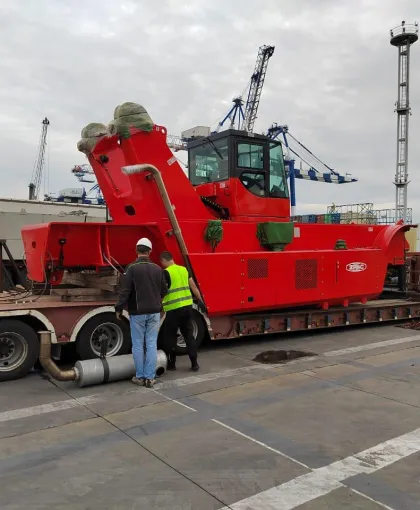
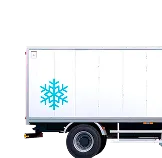
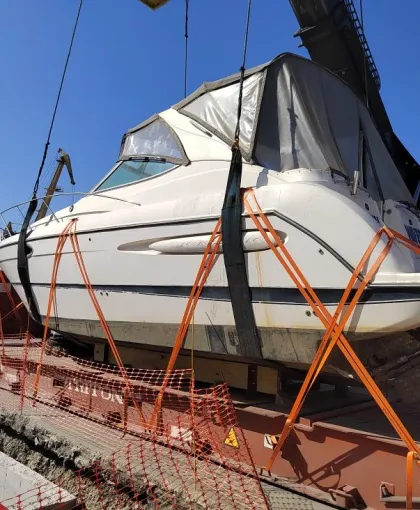
As part of the terminal service, container, bulk, and breakbulk cargo are handled with consideration of the Gulf of Finland's specific conditions: icebreaker escort is provided in winter, and the port offers convenient access to both rail networks and key highways. In addition to "standard" dry cargo, the terminals handle dangerous goods, refrigerated cargo, and oversized project cargo, allowing Saint Petersburg to be integrated into complex multimodal supply chains without the need to switch logistics partners at modal interchange points.


Stages of bulk cargo transshipment

Terminal transshipment from vessel to marine terminal is a step-by-step cargo handling process — from vessel approach to the port to onward dispatch by land — where speed and safety are paramount.

1. Preparatory stage and planning

  • Coordination of vessel arrival time (notice of readiness)
  • Verification of ship and cargo documents
  • Planning of berth usage, storage areas, and handling equipment (cranes, grabs, conveyors)

2. Berthing and vessel arrival formalities

  • Vessel approach to the berth and positioning for handling
  • Securing mooring lines and placing fenders to protect the hull
  • Completion of border and customs control
  • Preparation for unloading

3. Unloading preparation

  • Opening of hatch covers
  • Setup of necessary handling equipment and functionality checks
  • Inspection of safety systems and dust suppression equipment

4. Cargo unloading (vessel to shore)

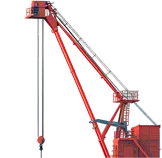
  • Operation of shore-based or shipboard cranes with grabs; feeding cargo into hoppers or conveyor lines
  • Regulation of unloading intensity to prevent equipment overload
  • Minimization of dust and spillage through the use of enclosures, misting systems, and careful operation

5. Storage and warehousing

  • Transport of cargo via conveyors or trucks to open or covered terminal storage areas
  • Formation of stacks and segregated storage of different lots
  • Quantity and condition monitoring; maintenance of required storage conditions

6. Dispatch to land transport

  • Loading of cargo from storage onto railcars, trucks, or another vessel
  • Weighing and preparation of accompanying documents

7. Final stage

  • Cleaning of holds and adjacent areas from cargo residues
  • Closing of hatch covers; vessel preparation for departure
  • Unmooring and departure of the vessel from port

This process ensures a continuous logistics chain “vessel–warehouse–rail/truck”, where the key factor is the high speed of loading and unloading operations.

Get an individual cost estimate and consultation right now — call us or submit a request. Do not miss out on the benefits of fast and safe cargo handling.

Contacts: +7 (8617) 60‑70‑44, commerce@bsfrussia.ru.

HOW TO CONTACT US

Request a quote for bulk cargo transportation from BSF — receive a personalized proposal in minutes. Call +7 (8617) 60-70-44 or email commerce@bsfrussia.ru

Countries we work with

China
China
Vietnam
Vietnam
Turkey
Turkey
Egypt
Egypt
Israel
Israel
Syria
Syria
UAE
UAE
Saudi Arabia
Saudi Arabia
India
India
Argentina
Argentina
Pakistan
Pakistan
Brazil
Brazil
Why customers choose BSF

Why customers choose BSF

Exclusive ocean freight rates
Thanks to our long-standing and successful track record in export shipments, we have earned the loyalty of key ocean carriers. This enables our clients to access unique freight rates for export and import flows, saving up to 20–30% compared to base tariffs.
Focus on complex cargo
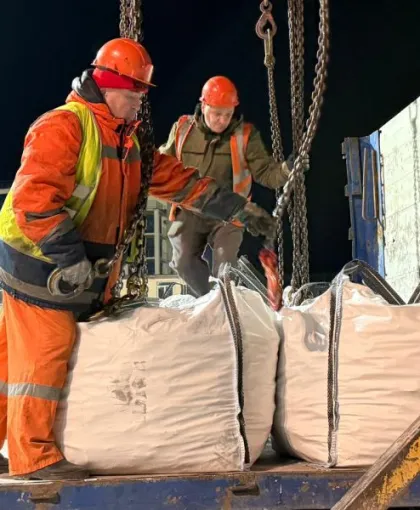
We work with bulk cargo, full vessel lots, sawn timber, metal ingots, coils, big bags, oversized cargo and containerized shipments. Cargo accumulation and dispatch are handled smoothly, with full processing in Novorossiysk.
Unique stuffing and transshipment solutions
Our core know‑how lies in direct contracts with Novorossiysk ports covering re‑stuffing and transshipment of various cargo types. This ensures fast, safe and cost‑efficient handling for virtually any cargo.
Turnkey end‑to‑end service
From container delivery and removal to customs formalities and documentation, including interaction with FGBU “TsOKZ”, FGBU “VCR”, certification and permits – all processes are managed by a single provider. One contractor means fewer complications for your business.
Expertise in key industries
We have extensive experience working with the agro‑industrial sector, chemical industry, wood processing, mining and metallurgy. Grain logistics in vessel holds is one of our core specializations.
Extensive agents’ network
We maintain close working relationships with shipowners and operators and rely on a global network of agents. Our operations cover the ports of Novorossiysk, Saint Petersburg, Rostov‑on‑Don, Azov, Yeysk, Kavkaz, Astrakhan, Olya, Arkhangelsk and Aktau, with partner companies in Turkey, Jordan and the UAE.
Percentage ratio

PERCENTAGE RATIO OF EXPORT AND IMPORT CARGO PROCESSING

Export direction
42%
Lumber
28%
Agricultural cargo
25%
Non-ferrous metals
5%
Other cargo
Import direction
50%
Perishable cargo
20%
Dry containers
20%
general cargo
5%
Other cargo
5%
Oversized cargo
Why customers choose BSF 01
Percentage ratio 02

Do you have any questions?

Fill out a short form and our specialists will contact you and answer all your questions.